Industries that benefit

Why use stainless steel shot?


Stainless steel abrasive media are among the most commonly used blasting materials in metallurgy due to its specific properties, especially corrosion resistance and iron-free contamination. The metallurgy, light metal, oil & gaz, automotive, aerospace and wind power industries are among the sectors that make the most use of this type of blasting material. As a privileged partner of its customers in continuous innovation and quality, Winoa has a wide range covering the needs inherent to each production.
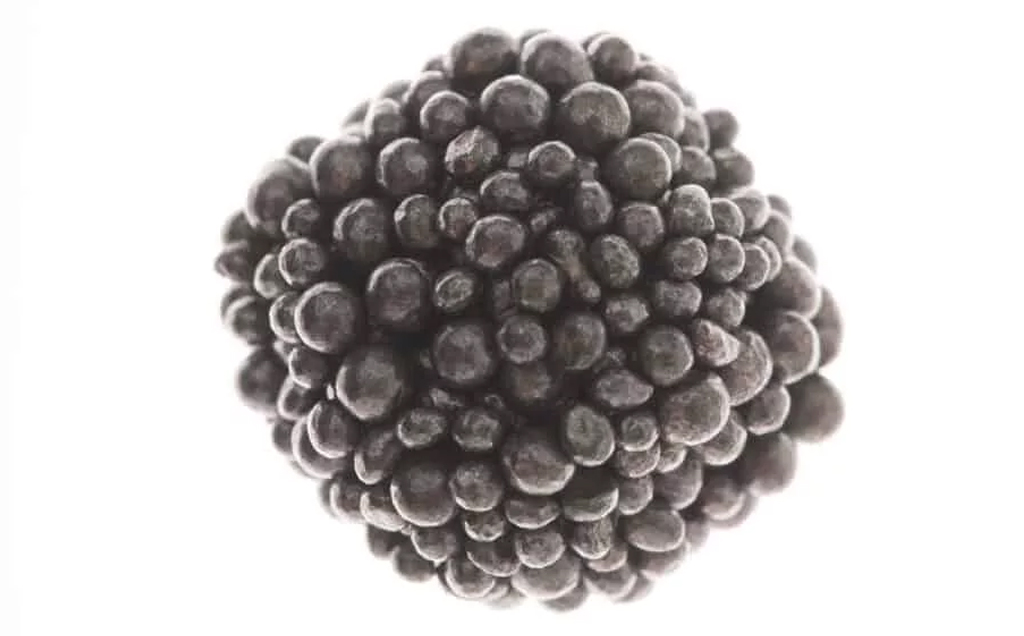
Spherical shot or angular steel grit

A wide range of products for stainless steel abrasive

Stelux™ stainless steel grit abrasive

For all applications requiring a rust and tarnishing free, non-ferrous contamination surface after blast cleaning, Stelux™ stainless steel abrasive media is your best option.

Available in 3 different chemical compositions and shapes (Stelux™ C, CN and CG), depending on the contamination criticality and the applications (descaling aluminum to cleaning welds on stainless steel structures or biomedical), our experts will work with you to select the stainless steel media most suitable option.

Stelux™ stainless steel shot media

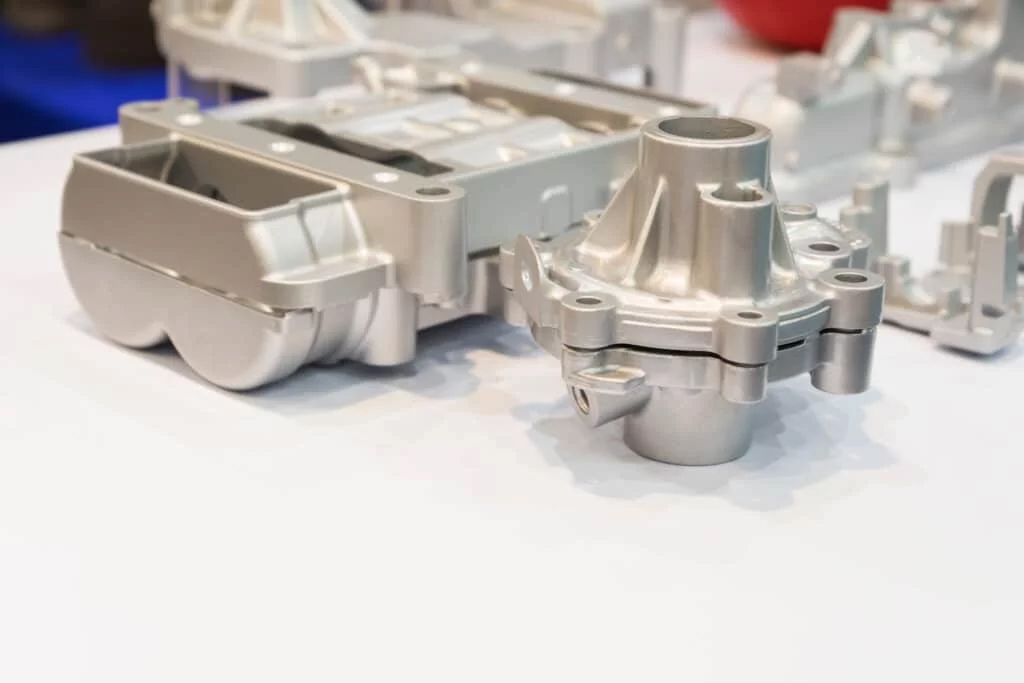
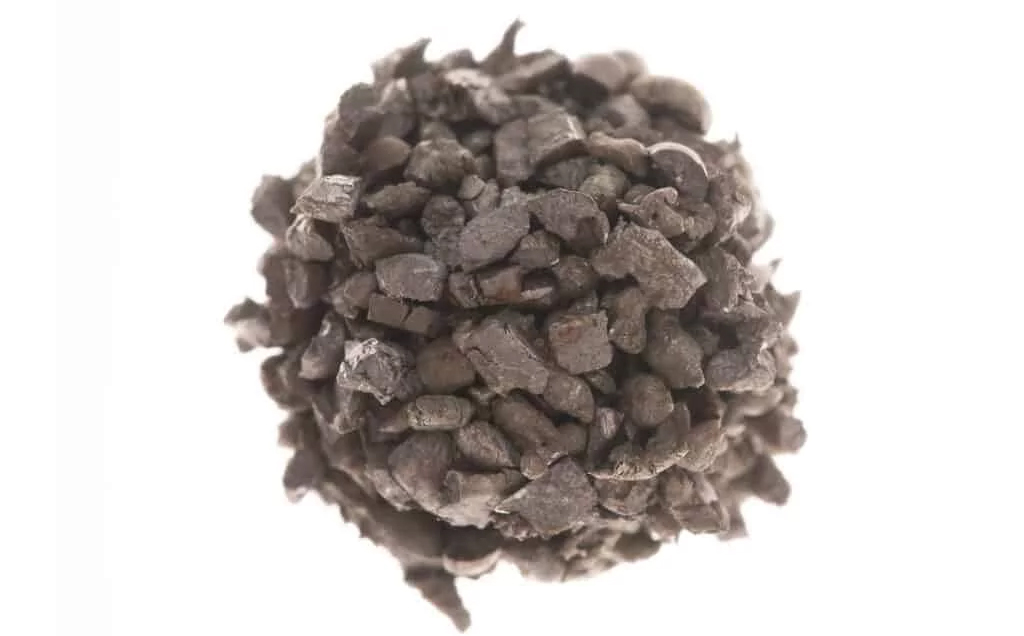
The spherical (round shot – Stelux C and Stelux CN) will mainly be used for desanding or deburring of non-ferrous metals, such as aluminum die-casting parts or forged stainless parts, in wheelblasting machines, while the angular grit will be used to prepare surfaces prior to coating and painting in airblasting process.

In the second case, the stainless steel grit is not necessarily used on non-ferrous materials. They are often used to ensure no steel grit particles are embedded into metal surfaces or gaps.

Cost efficiency

User benefits of stainless steel abrasive


Stelux stainless steel shot & grits have many advantages over metallic and non-metallic or expandable abrasives. In addition to having a much lower cost of use than non-recyclable media (when a process for reusing the media exists), these have:

  • Considerably increased durability, allowing reuse up to 1000 times
  • Higher mass of each grain, which increases energy and cleaning efficiency and speed
  • Less machine wear, thanks to its hardness just below the equipment components
  • Reduces or could avoid using chemical cleaning or acid pickling processes
  • Eliminates the possibilities of having embedded iron particles, avoiding rusting & pitting
  • Leaves a thin passive layer that prevents surface corrosion due to the chromium in the medias well as almost zero dust blasting production